Safety Overshoes for Visitors Toe Cap Protection for Industrial Sites

Safety Overshoes for Visitors: Practical Foot Protection for Industrial Environments


In many European industrial environments, ensuring visitor safety is a legal and operational requirement rather than an optional measure. Factories, warehouses, logistics centers, and production sites frequently receive visitors such as auditors, contractors, inspectors, and customers. For these short-term or occasional users, safety overshoes, also referred to as visitor safety shoes, offer a practical and compliant solution for foot protection.

Unlike disposable shoe covers, safety overshoes are designed to be worn over personal footwear while still providing meaningful protection against common workplace hazards.


Why Safety Overshoes Are Used for Visitors


The primary purpose of safety overshoes is to bridge the gap between full safety footwear and non-protective shoe covers. They allow site operators to maintain safety standards without requiring visitors to change footwear.


Key benefits include:

  • Toe Cap Protection
    Visitor safety overshoes equipped with steel or composite toe caps help protect against falling objects and compression risks commonly present in industrial settings.

  • Slip Resistance
    Industrial-grade rubber outsoles with anti-slip patterns improve grip on wet, oily, or smooth surfaces, reducing the risk of slips and falls during site visits.

  • Ease of Use and Fast Deployment
    Overshoe designs allow quick fitting over existing footwear, making them ideal for short-term access and high visitor turnover.

  • Size Flexibility and Management
    Most safety overshoes cover a wide range of shoe sizes and are often color-coded, simplifying on-site distribution and storage.

  •  

Compliance and PPE Considerations in Europe


While safety overshoes are not always classified in the same category as full safety footwear, many models are developed in line with European PPE principles and component standards, particularly for toe protection and slip resistance.

For buyers and distributors, it is important to verify:

  • CE marking where applicable

  • Toe cap compliance with relevant European test standards

  • Clear usage limitations (visitor use, not all-day work footwear)

Transparent documentation is essential for risk assessments and audits.


Reusable Safety Overshoes vs Disposable Shoe Covers


Reusable safety overshoes offer clear advantages over disposable alternatives:

  • Significantly better impact and slip protection

  • Lower long-term cost for facilities with frequent visitors

  • Reduced waste and improved sustainability profile

For industrial sites focused on safety culture and operational efficiency, reusable visitor safety shoes are increasingly preferred.


Typical Application Scenarios


Safety overshoes are widely used in:

  • Manufacturing plants

  • Warehouses and logistics centers

  • Food processing facilities

  • Construction site offices

  • Maintenance and inspection visits

They are particularly suitable where visitors need protection but do not perform manual tasks.


A Practical PPE Solution for Visitor Management


From a PPE management perspective, safety overshoes provide a balanced solution combining protection, convenience, and cost control. When selected correctly, they support compliance goals while maintaining a professional visitor experience.


FAQ – Safety Overshoes for Visitors

What are safety overshoes used for?

Safety overshoes are designed to provide temporary foot protection for visitors entering industrial environments such as factories, warehouses, and logistics facilities. They are worn over personal footwear and help reduce risks related to toe impact and slipping during short-term site visits.


Do visitor safety overshoes replace safety shoes?

No. Safety overshoes are not intended to replace full safety footwear for workers performing daily tasks. They are suitable for visitors, inspectors, auditors, or contractors who require basic protection without changing their own shoes. Usage limitations should always be clearly defined in site safety policies.


Are safety overshoes compliant with European PPE requirements?

Safety overshoes used in Europe should follow applicable PPE principles and component standards, particularly for toe cap performance and slip resistance. Buyers should verify CE marking where applicable and ensure documentation clearly states the intended use and protection level.


What types of toe caps are commonly used in safety overshoes?

Most safety overshoes use steel or composite toe caps to protect against falling objects and compression hazards. The choice depends on weight requirements, cost considerations, and site-specific risk assessments.


Are reusable safety overshoes better than disposable shoe covers?

Reusable safety overshoes provide significantly higher protection compared to disposable shoe covers. While disposable covers are mainly used for hygiene purposes, safety overshoes offer impact resistance, slip protection, and longer service life, making them more suitable for industrial visitor management.


How do facilities manage sizing for visitor safety overshoes?

Safety overshoes are typically produced in size ranges (such as S, M, L, XL) and often use color coding to simplify on-site distribution. This approach allows facilities to manage visitor PPE efficiently without stocking individual shoe sizes.


Safety Overshoes vs Safety Shoes Which Is the Right Choice for Visitors?

Safety Overshoes vs Safety Shoes: Which Is the Right Choice for Visitors?


Safety overshoes or safety shoes for visitors? This guide explains the differences, use cases, and PPE considerations for industrial and warehouse environments.


In industrial environments across Europe, visitor safety is a recurring challenge. Facilities must ensure compliance with workplace safety rules while managing short-term access for customers, auditors, inspectors, and contractors. One common question during PPE planning is whether safety overshoes or safety shoes are more appropriate for visitors.

While both options provide foot protection, they serve fundamentally different purposes. Choosing the wrong solution can lead to unnecessary cost, poor compliance, or ineffective protection.

Understanding the Core Difference

Safety shoes are designed for daily professional use. They are intended for workers who spend extended periods on-site and perform physical tasks. These shoes are certified as full PPE footwear and must be worn correctly and consistently.

Safety overshoes, by contrast, are designed for temporary protection. They are worn over personal footwear and are primarily used by visitors who need access to controlled areas without changing shoes.

The distinction is not about protection quality alone, but about duration, responsibility, and practicality.

When Safety Shoes Are the Better Option

Safety shoes are generally recommended when:

  • Visitors perform hands-on work or manual operations

  • Site visits last several hours or multiple days

  • The visitor is effectively acting as a temporary worker

  • Site policy requires full PPE compliance for all personnel

In these cases, issuing certified safety footwear ensures consistent protection and clear responsibility.

When Safety Overshoes Are More Appropriate

Safety overshoes are often the preferred solution when:

  • Visits are short-term or guided

  • Visitors are not performing physical tasks

  • There is high visitor turnover

  • Facilities need fast and controlled PPE distribution

For many factories and warehouses, safety overshoes allow compliance without disrupting visitor flow or increasing administrative complexity.

Operational and Management Considerations

From a facility management perspective, safety overshoes offer several advantages:

  • No need to stock individual shoe sizes

  • Faster fitting and removal

  • Easier hygiene and storage management

  • Lower long-term cost for frequent visitor access

Safety shoes, while offering full protection, require size tracking, cleaning, replacement, and user accountability, which may not be practical for occasional visitors.

Risk Assessment and PPE Policy Alignment

European workplace safety regulations emphasize risk-based PPE selection. This means the chosen footwear must match the actual exposure level. For visitor pathways with controlled movement and limited hazard exposure, safety overshoes with toe protection and slip resistance are often considered sufficient.

Clear internal policies should define:

  • Who qualifies as a visitor

  • Which areas require overshoes versus full safety shoes

  • Duration limits for overshoe use

Transparent documentation helps during audits and inspections.

Making the Right Choice

There is no universal answer. The correct choice depends on site risk level, visit duration, and operational efficiency. Many facilities adopt a dual approach, using safety shoes for working personnel and safety overshoes for visitors.

For companies seeking a structured visitor PPE solution, safety overshoes with integrated toe caps are commonly used as part of controlled access systems, particularly in manufacturing and logistics environments.


Step Up Your Workday Introducing Our Superior Safety and Occupational Footwear Collection

When it comes to workplace safety, comfort, and performance, your choice of footwear is critical. At Workway Safety, we are proud to present a range of advanced safety and occupational shoes tailored to meet the diverse needs of professionals across industries. From EN20347-certified slip-resistant shoes to lightweight, ergonomic options, our products ensure you stay safe, comfortable, and stylish throughout your workday.


The Highlights of Our Footwear Range


1. Non-Slip Occupational Shoes


Our non-slip occupational shoes are designed to keep you steady in fast-paced environments. Featuring advanced slip-resistant outsoles, lightweight durability, and breathable comfort, they are ideal for professionals in healthcare, hospitality, and food service industries. These durable non-slip shoes provide long-lasting performance and reduce fatigue during long shifts, ensuring you stay focused and productive.


2. EN20347 Non-Slip Work Shoes for Kitchen and Restaurant Professionals


Meeting the stringent EN20347 European safety standards, these shoes are perfect for high-stress environments like kitchens and restaurants. With certified EN20347 compliance, slip-resistant technology for greasy conditions, and water-resistant uppers, these comfortable safety shoes for chefs ensure you remain steady and protected in any situation. The cushioned midsoles and ergonomic designs provide exceptional support for long shifts.


3. Lightweight Occupational Shoes with Slip Resistance


Designed for active professionals, these featherlight shoes seamlessly combine safety and comfort. With non-slip rubber outsoles that maximize safety in dynamic workplaces, ergonomic designs that support natural foot movement, and shock-absorbing midsoles, these lightweight durable shoes are perfect for warehouse workers, healthcare professionals, and retail staff who need reliable footwear throughout their day.


4. All-Day Use Comfortable Occupational Work Shoes


Stay productive and at ease with our specially designed footwear for extended wear. Featuring cushioned insoles, breathable linings, and durable construction, these comfortable work shoes are suitable for long shifts across various workplaces. They are ideal for standing professionals who require ergonomic footwear that delivers both support and durability.


What Sets Us Apart?


Certified Safety Standards


Our EN20347-certified footwear ensures that every pair meets the highest European safety regulations, providing peace of mind and top-tier protection for every professional.


Ergonomic Comfort and Lightweight Durability


When it comes to workplace safety, comfort, and performance, your choice of footwear is critical. At Workway Safety, we are proud to present a range of advanced safety and occupational shoes tailored to meet the diverse needs of professionals across industries. From EN20347-certified slip-resistant shoes to lightweight, ergonomic options, our products ensure you stay safe, comfortable, and stylish throughout your workday.


The Highlights of Our Footwear Range


1. Non-Slip Occupational Shoes


Our non-slip occupational shoes are designed to keep you steady in fast-paced environments. Featuring advanced slip-resistant outsoles, lightweight durability, and breathable comfort, they are ideal for professionals in healthcare, hospitality, and food service industries. These durable non-slip shoes provide long-lasting performance and reduce fatigue during long shifts, ensuring you stay focused and productive.


2. EN20347 Non-Slip Work Shoes for Kitchen and Restaurant Professionals


Meeting the stringent EN20347 European safety standards, these shoes are perfect for high-stress environments like kitchens and restaurants. With certified EN20347 compliance, slip-resistant technology for greasy conditions, and water-resistant uppers, these comfortable safety shoes for chefs ensure you remain steady and protected in any situation. The cushioned midsoles and ergonomic designs provide exceptional support for long shifts.


3. Lightweight Occupational Shoes with Slip Resistance


Designed for active professionals, these featherlight shoes seamlessly combine safety and comfort. With non-slip rubber outsoles that maximize safety in dynamic workplaces, ergonomic designs that support natural foot movement, and shock-absorbing midsoles, these lightweight durable shoes are perfect for warehouse workers, healthcare professionals, and retail staff who need reliable footwear throughout their day.


4. All-Day Use Comfortable Occupational Work Shoes


Stay productive and at ease with our specially designed footwear for extended wear. Featuring cushioned insoles, breathable linings, and durable construction, these comfortable work shoes are suitable for long shifts across various workplaces. They are ideal for standing professionals who require ergonomic footwear that delivers both support and durability.


What Sets Us Apart?


Certified Safety Standards


Our EN20347-certified footwear ensures that every pair meets the highest European safety regulations, providing peace of mind and top-tier protection for every professional.


Ergonomic Comfort and Lightweight Durability


All our shoes are designed with the user in mind. Lightweight materials, cushioned insoles, and shock-absorbing midsoles ensure comfort and reduce fatigue, even during the most demanding shifts.


Slip-Resistant Excellence


Whether you're navigating a slippery kitchen floor or a wet hospital corridor, our slip-resistant outsoles provide the grip you need to stay safe.


Versatility Across Industries


From chefs to healthcare workers, our footwear is designed to cater to the specific needs of various professions. The sleek, professional designs ensure they look as good as they perform.


How to Choose the Right Shoes for Your Needs


When selecting occupational footwear, consider the following:


Safety Standards: For high-risk environments, EN20347-certified shoes are a must.


Slip Resistance: Essential for kitchens, hospitals, and other slippery settings.


Comfort: Look for cushioned insoles and breathable materials to support long hours.


Durability: Ensure the shoes can withstand the wear and tear of your specific industry.


FAQs


Q1: Are all your shoes slip-resistant?A1: Yes, all our occupational shoes feature advanced slip-resistant technology to provide maximum safety on wet or slippery surfaces.


Q2: What is the EN20347 standard?A2: EN20347 is a European certification for occupational footwear, ensuring safety, durability, and comfort for professional use.


Q3: Can these shoes be worn for long shifts?A3: Absolutely! All our shoes are designed with ergonomic comfort, cushioned insoles, and lightweight materials for extended wear.


Q4: Are these shoes suitable for kitchen environments?A4: Yes, our EN20347-certified shoes are specifically designed for kitchens and restaurants, featuring slip resistance and water-resistant uppers.


Q5: How do I maintain the shoes?A5: Clean with a damp cloth and mild soap. For the soles, rinse with water to remove grease and debris, ensuring optimal slip resistance.

Top 10 EN ISO 20345 Certified Safety Footwear Manufacturers in China – And How to Choose the Right One

Discover the top EN ISO 20345 certified safety footwear manufacturers in China. Learn how European buyers can choose a reliable OEM/ODM partner for CEcompliant safety shoes.


Top 10 EN ISO 20345 Certified Safety Footwear Manufacturers in China – And How to Choose the Right One

Intro: For European importers, distributors, and brands, EN ISO 20345:2022 certified safety shoes are the gold standard. They ensure compliance with EU regulations and guarantee protection for endusers. But with so many Chinese factories claiming compliance, how do you find the real deal?


Why EN ISO 20345 Matters for Europe

· Legal compliance for EU market entry

· Protection standards: toe impact, slip resistance, puncture resistance

· Avoiding customs rejections and liability


 Xiamen Workway Protection Technology Co., Ltd. – Your Trusted Partner

· EN ISO 20345:2022, CE, REACH, BSCI, ISO9001 certified

· OEM/ODM safety footwear for European brands

· Innovative outsole designs, lightweight composite toe caps, antiplagiarism measures


 9 Other Notable Certified Manufacturers 


 How to Choose the Right Supplier

· Verify certifications with accredited labs (SGS, TUV)

· Audit the factory (BSCI, ISO9001)

· Test samples before bulk orders 


Company Introduction: Xiamen Workway Protection Technology Co., Ltd. is a leading Chinese manufacturer of safety footwear and occupational shoes with over 15 years of export experience to Europe. Specializing in OEM and ODM safety shoes, Workway combines advanced production technology (PU injection, cemented, Goodyear welt) with strict quality control to deliver lightweight, durable, and fully certified safety footwear for industries from construction to logistics.


What Are Safety Overshoes? | CE-Certified Visitor Protection by Workway Safety

Safety overshoes are an essential type of protective footwear designed to be worn over regular shoes. They provide an immediate and effective solution for protecting visitors, temporary workers, or anyone who enters industrial environments without certified safety footwear.

At Workway Safety, we manufacture CE-certified, reusable safety overshoes designed to meet the strictest European safety standards, offering reliable protection with comfort and ease of use.


Why Use Safety Overshoes?

Factories, warehouses, laboratories, and construction sites often require certified safety footwear. But for short-term visitors or contractors, changing into full safety shoes isn’t always practical. That’s where safety overshoes for visitors come in.


Key Benefits:


Instant protection: Slip them over any shoe for immediate toe protection and grip.

Cost-effective: One pair can be reused hundreds of times.

Convenient sizing: Available in multiple sizes to fit most footwear.

Compliance: Many safety overshoes are CE certified under EN 12568, meeting regulatory requirements.


What Are Safety Overshoes Made Of?

At Workway Safety, we’ve developed high-performance overshoes with premium materials for maximum protection and durability.


Key Specifications of Our Safety Overshoes:


Aluminum Toecap: Provides lightweight impact protection; 30–50% lighter than steel.

Rubber Outsole: Excellent slip resistance and heat resistance up to 300°C.

Flexible TPU Upper: Durable, hygienic, and easy to clean.

CE Certified: Fully compliant with EN 12568 toe protection standard.

Reusable & Washable: Designed for repeated use in demanding environments.


Who Needs Safety Overshoes?

Typical users include:

Factory visitors and auditors

Maintenance contractors

Warehouse supervisors

Facility inspectors

PPE distributors supplying visitor kits


These users need fast, compliant protection that doesn’t require changing their personal shoes — safety overshoes are the perfect solution.


Where Are Safety Overshoes Used?

You’ll find safety overshoes widely used in:


Manufacturing facilities

Food and beverage production plants

Pharmaceutical labs

Warehouses and logistics centers

Construction sites (for temporary access)


They're especially popular in Europe, where workplace safety regulations are strictly enforced and visitor safety is a top priority.


Why Choose Workway Safety Overshoes?

As a leading Chinese manufacturer serving the European market, Workway Safety offers:

High-quality CE-certified safety overshoes

Lightweight aluminum toe cap design

Slip-resistant, heat-resistant rubber outsoles

Factory-direct pricing with low MOQs

Customization options for distributors and private labels


Fast delivery and full compliance documentation (ISO, BSCI, etc.)


Welcome to contact us at info@workwaysafety.com for more informaiton!


Why Original Design Matters in Safety Footwear – and How It Benefits Our Global Partners

In today’s competitive safety footwear market, originality is no longer just a creative choice – it’s a strategic advantage. Unfortunately, within parts of the industry in China, the reality is that many suppliers still rely on imitation. New outsole patterns or upper designs are often copied within weeks after they are first displayed online or at trade fairs.


While imitation may seem like “flattery” to some, in our industry it creates serious problems:

  • Price-Driven Competition – When multiple suppliers offer look‑alike products, buyers are forced to compete on price alone, eroding overall product value.

  • Quality Uncertainty – Copies rarely match the performance and durability of the original, creating potential safety risks for end users.

  • Brand Dilution – Unique features that once differentiated a product become generic, weakening trust in true innovators.


Our Commitment to Originality

At WORKWAY SAFETY, we believe every design should start with a purpose – solving a real workplace challenge. That’s why all our outsoles, upper constructions, and functional elements are developed in‑house or in close collaboration with trusted partners. From the first sketch to the final test, each step is driven by function, comfort, and compliance with global standards such as EN ISO 20345 and ASTM.

We invest in:

  • Proprietary Designs – Unique outsole patterns engineered for superior grip, flex, and debris release.

  • Innovative Materials – Uppers using abrasion‑resistant fabrics, breathable membranes, and customized protective components.

  • Rigorous Testing – Every model undergoes mechanical, slip, puncture, and impact resistance tests before launch.


Why This Matters for B2B Clients

For our OEM/ODM partners, our originality brings tangible advantages:

  1. Exclusive Market Positioning – Stand out with designs your competitors cannot easily source elsewhere.

  2. Longer Product Lifecycles – Original models stay relevant and profitable longer before competitors catch up.

  3. Reduced IP Risk – We proactively protect our designs with patents and design registrations, reducing legal exposure for you.

  4. Tailored Solutions – Our ability to adapt original concepts for your market means you get both uniqueness and market fit.


A Partnership Built on Trust

When you partner with WORKWAY SAFETY, you are not just buying a product – you are investing in design integrity, performance consistency, and a shared commitment to innovation. In an industry where imitation is easy, we make originality our competitive shield – and yours.


Why the A+A Trade Fair 2025 in Düsseldorf is a Must‑Attend for Safety Footwear Professionals

From 4–7 November 2025, the world's largest event for occupational safety, health, and workwear — the A+A Trade Fair — will once again transform Messe Düsseldorf, Germany, into the global hub for PPE innovation. For safety footwear professionals, it’s not just an exhibition — it’s where the future of workplace protection is shaped.

Why A+A 2025 Matters for the Safety Footwear Industry

The A+A Fair is the ultimate stage for discovering:

  • Advanced protective materials that enhance durability and comfort

  • Ergonomic designs to reduce fatigue and prevent injury

  • Sustainable manufacturing solutions for eco‑conscious workplaces

  • Next‑generation slip‑resistant and anti‑puncture technologies

For brands like Xiamen Workway Protection Technology Co., Ltd., this event is a strategic opportunity to benchmark against global competitors, explore new supplier partnerships, and showcase how we’re redefining protective footwear for modern workplaces.


About Xiamen Workway Protection Technology Co., Ltd.

With over 15 years of expertise in the PPE industry, Workway Safety is a trusted global supplier of high‑performance safety shoes and work boots.

Our strengths include:

  • Certified protection: EN ISO 20345:2022, EN ISO 20347, CE, and other international standards

  • Innovative materials: E‑TPU cushioning soles, lightweight composite toe caps, advanced slip‑resistant outsoles

  • Industry‑specific solutions: Footwear for construction, mining, logistics, oil & gas, catering, agriculture, firefighting, and ESD‑protected environments

  • OEM & ODM expertise: End‑to‑end design, development, and production for global brands

  • Quality assurance: Rigorous QA/QC processes and partnerships with INTERTEK, CTC, TUV, and SGS

Our mission is simple: to protect workers with footwear that combines safety, comfort, and style — while staying ahead of industry trends and protecting our designs from imitation.


Our Goals at A+A 2025

At this year’s fair, we will:

  • Explore emerging PPE trends to inspire our next‑generation designs

  • Strengthen OEM/ODM partnerships with global distributors and brands

  • Share our anti‑plagiarism strategies to protect innovation in a competitive market

  • Connect with industry leaders to discuss sustainable and ergonomic solutions for the future of work


Let's Connect in Düsseldorf

If you’re attending A+A 2025, we’d love to meet you. Whether you're a distributor, supplier, or industry partner, let’s explore how we can work together to deliver safer, smarter, and more comfortable footwear to the global workforce.

📩 Arrange a meeting with us today:www.workwaysafety.com or info@workwaysafety.com


How heavy is the stainless steel bracelet?

When choosing a bracelet, many people not only pay attention to its appearance and material, but also particularly care about one question: Is a stainless steel bracelet heavy? Will it be uncomfortable to wear for a long time?

Especially for users who plan to wear it daily and for long periods, they are often particularly sensitive to weight and comfort.

This article will help you fully understand the "weight truth" of stainless steel bracelets from the characteristics of the material, actual wearing experience, and differences among various styles.


Is the weight of a stainless steel bracelet heavy?

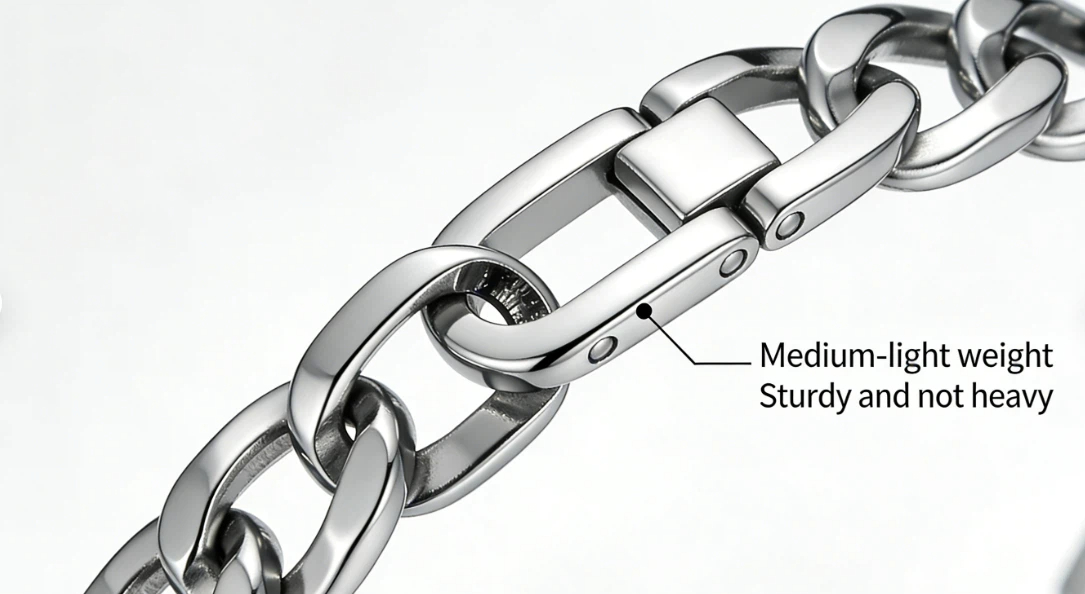
Overall, the weight of a stainless steel bracelet is moderately light and won't cause a significant burden on the wrist. The density of stainless steel is slightly higher than that of pure silver, but in jewelry making, it is usually not made into a completely solid structure. Instead, through reasonable chain design and thickness control, the excess weight is reduced while ensuring the firmness. Therefore, when worn, it feels more like "noticeable but not heavy". For most people, stainless steel bracelets are very suitable for daily wear.


Do Different Styles of Stainless Steel Bracelets Vary in Weight?

Although stainless steel bracelets share the same material, the actual wearing weight can feel very different depending on the design. In most cases, style and structure have a greater impact on weight than the material itself.

Below is a detailed breakdown of how common stainless steel bracelet styles differ in weight and wearing experience.


1. Thin Chain Stainless Steel Bracelets: Lightweight and Effortless

Thin chain bracelets include designs such as snake chains, slim link chains, or minimalist clasp styles.

Weight characteristics:

l Use less material overall

l Feel very light on the wrist

l Almost no noticeable pressure during wear

These bracelets are ideal for all-day wear, office settings, or for people who prefer jewelry that feels barely there.


2. Medium-Width Chain Bracelets: The Best Balance of Weight and Comfort

Medium-width stainless steel bracelets are the most popular category, including classic link bracelets and standard Cuban chains (non-thickened versions).

Weight characteristics:

l Noticeable quality feel without being heavy

l Sit securely on the wrist without excessive movement

l Comfortable for long periods of wear

Many wearers find this style to be the most versatile, offering a perfect balance between presence and comfort for everyday use.

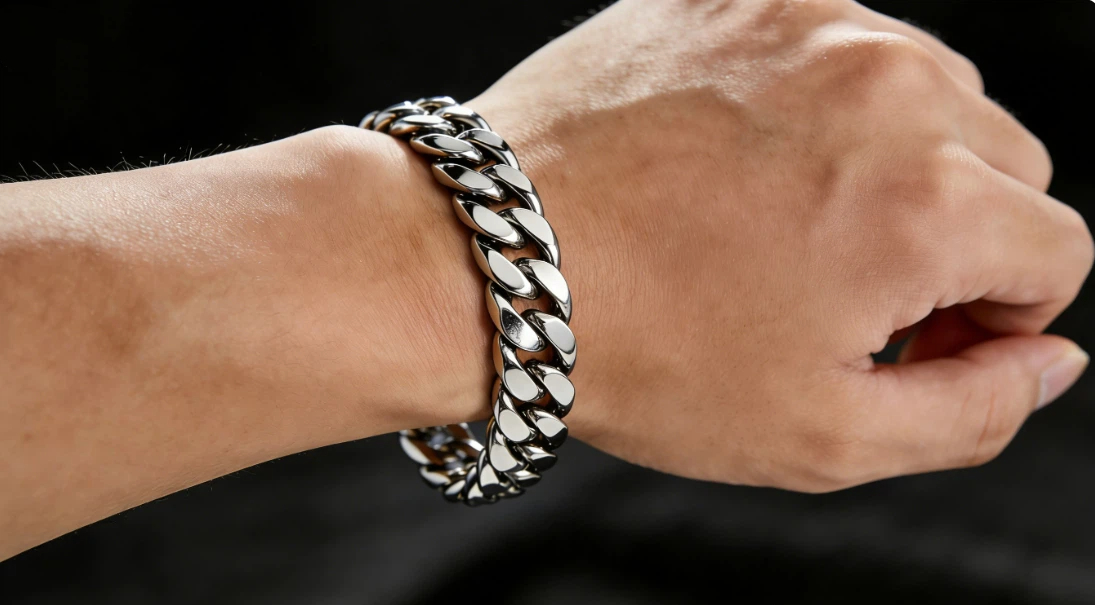
3. Wide or Thick Chain Bracelets: Heavier Feel, Not Heavy Wear

Wide chain or thick stainless steel bracelets—such as heavy Cuban chains or bold statement designs—do have more weight, but that doesn’t necessarily mean they are uncomfortable.

Weight characteristics:

l Weight is evenly distributed across the wrist

l Emphasizes a strong, solid look

l Feels stable and substantial rather than tiring

Thanks to stainless steel’s high strength, these bracelets are often designed with optimized structures instead of solid blocks, keeping them wearable despite their bold appearance.


Hollow vs. Solid Construction: A Key Factor in Weight Differences

Two bracelets that look similar on the outside may differ significantly in weight due to internal construction.

Optimized or semi-hollow designs
Lighter, more comfortable, ideal for daily wear

Near-solid designs
Heavier and more substantial, chosen mainly for style impact

Most well-designed stainless steel bracelets prioritize structural optimization to maintain durability while improving comfort.

Does Weight Difference Affect Wearing Experience?

For most people, the weight difference between stainless steel bracelet styles does not negatively affect comfort. Instead, it influences how the bracelet feels stylistically:

  • Prefer lightweight jewelry → thin or minimalist designs
  • Prefer solid, premium feel → medium or wide chains
  • Long daily wear → balanced width with smart structure


As long as the bracelet is properly designed, stainless steel remains comfortable across different styles.

Looking for a stainless steel bracelet that feels right on your wrist? Visit www.gzolisstjewelry.com to browse our latest designs.

How to Identify a High-Quality Stainless Steel Ring

Stainless steel rings are widely appreciated for their durability, modern appearance, and affordability. However, not all stainless steel rings are made to the same standard. Understanding how to identify a high-quality stainless steel ring can help you avoid low-grade products and choose a ring suitable for long-term wear.

This guide explains the key factors professionals use to evaluate stainless steel ring quality.


Stainless Steel Grade Matters More Than Appearance
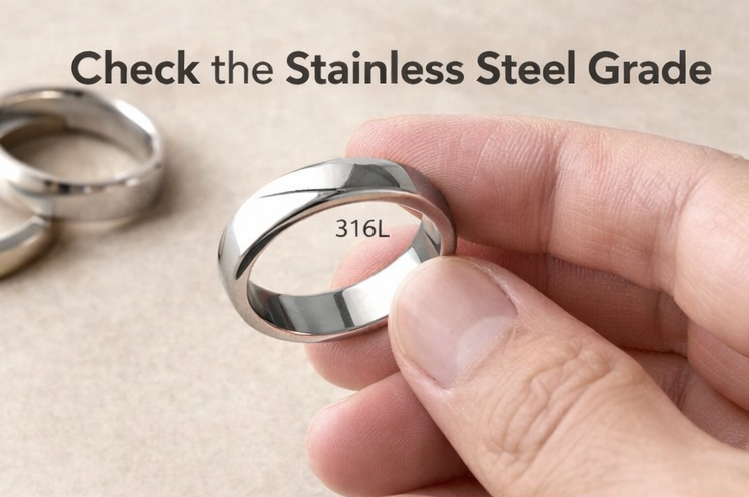


The most reliable indicator of quality is the stainless steel grade.

High-quality rings are typically made from 316L stainless steel, often referred to as surgical-grade steel. This material is valued for its:

l Strong corrosion resistance

l Long-lasting durability

l Better skin compatibility

Rings made from lower-grade steel may look similar at first but are more likely to scratch, dull, or lose their finish over time. Clear material disclosure is often a sign of a trustworthy product.


Weight and Balance Reveal Overall Construction Quality
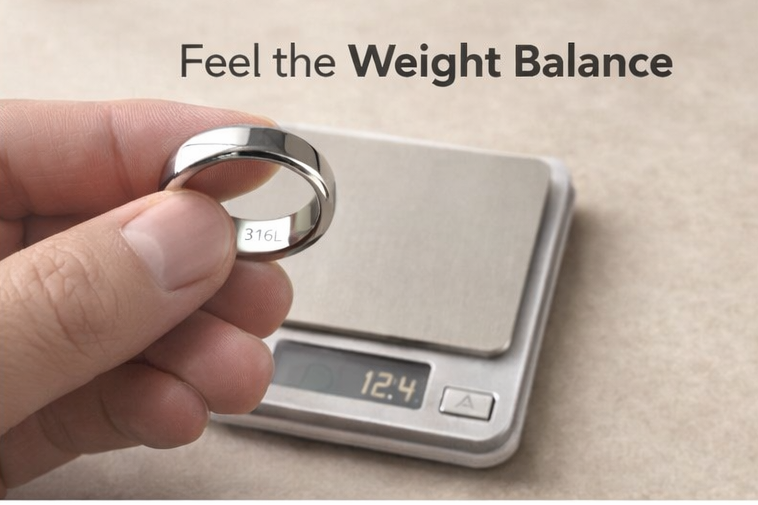


A well-made stainless steel ring should feel solid yet comfortable on the finger.

l Extremely light rings may indicate thin construction or surface plating

l Overly heavy rings may feel uncomfortable for daily wear

Quality stainless steel rings are designed with balanced weight, allowing the ring to sit naturally without spinning or causing pressure.


Surface Finish and Inner Edges Affect Comfort
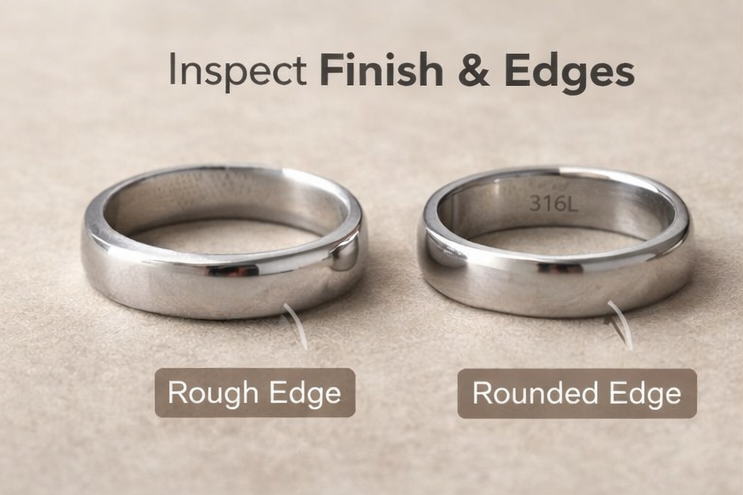


Finish quality is a detail that should never be overlooked.

High-quality stainless steel rings usually feature:

l Even polishing or consistent brushed textures

l Smooth surfaces without patchy shine

l Rounded inner edges for comfort during long-term wear

Rough edges or uneven finishing often indicate poor craftsmanship.


Skin Compatibility Is a Key Advantage of Quality Steel


One reason stainless steel rings are popular is their skin-friendly nature.

Premium-grade stainless steel, especially 316L, is known for being low-allergen and suitable for sensitive skin. Rings that cause irritation or discoloration may contain mixed metals or inferior steel. This factor is especially important for rings worn daily, such as fashion rings or wedding bands.


 Magnet Tests Are Not a Reliable Quality Standard
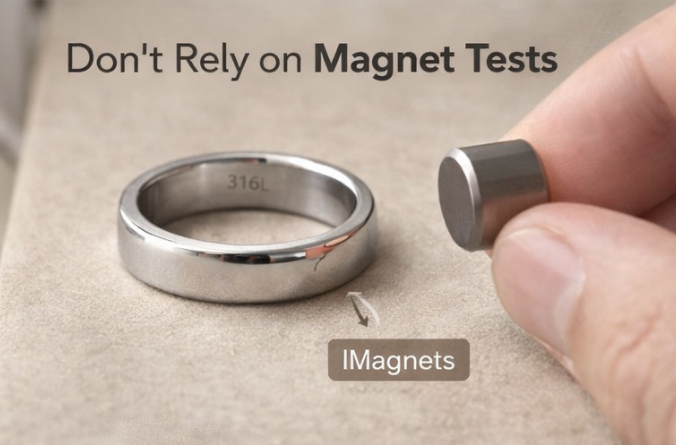


Many buyers rely on magnet tests, but magnetism alone does not define stainless steel quality.

Some stainless steel grades may show slight magnetic response depending on processing methods. Material grade, finishing, and structure are far more important than magnetic behavior.


Craftsmanship and Detail Reflect Long-Term Wearability

Beyond materials, overall craftsmanship determines how well a ring performs over time.

High-quality stainless steel rings typically show:

l Clean engravings or precise patterns

l Consistent band thickness

l Secure stone settings when applicable

These details help ensure the ring maintains its shape and appearance with frequent use.


Why Choosing a Trusted Seller Matters

Reliable sellers usually provide:

l Clear material specifications

l Detailed product images

l Consistent sizing standards

Transparent information often reflects confidence in product quality and manufacturing standards.


Conclusion

A high-quality stainless steel ring is defined by more than its appearance.
Correct material grade, balanced weight, refined finishing, skin comfort, and solid craftsmanship all contribute to a ring that lasts.

Knowing what to look for helps buyers make informed decisions and choose stainless steel rings that remain comfortable and stylish over time.

Explore well-crafted stainless steel rings designed for comfort and durability at www.gzolisstjewelry.com
The 2025-2026 Evolution of Active Thermal Management in North American Industrial Safety


The 2025-2026 Evolution of Active Thermal Management in North American Industrial Safety

How Smart Heated Workwear Is Transforming Workforce Protection, Compliance, and Operational Efficiency Across Cold-Climate Industries

Executive Summary

North American industrial operations face dual challenges: skilled labor shortages and increasingly volatile winter conditions. Traditional passive insulation PPE (personal protective equipment) has reached its operational limits—excessive layering reduces dexterity, impacting both productivity and worker safety.

Active Thermal Management (ATM) technology through industrial-grade heated workwear delivers verified ROI: 29.6% lower 3-year Total Cost of Ownership, up to 18% winter productivity gains, and full OSHA/ANSI compliance. This white paper examines how Safwear's pure carbon fiber heating technology and zero-failure engineering help North American enterprises transform safety from a cost center into competitive advantage.

Introduction: The New Operational Reality

From Alberta oil sands to Minnesota construction sites, North American industrial operations are experiencing unprecedented challenges in 2025. Polar vortex disruptions have increased extreme cold event frequency, while skilled labor shortages force companies to maximize productivity and safety from existing workforces.

Traditional heated PPE—based on passive layering models—suffers from a critical flaw: excessive layering creates the "Warmth-Dexterity Paradox." Workers sacrifice mobility and fine motor control for thermal protection, directly impacting job performance and injury risk.

For modern enterprises, transitioning to Active Thermal Management (ATM) through smart heated workwear isn't merely a comfort upgrade—it's a strategic imperative for human capital resilience and operational continuity.


Material Science & The Reliability Gap

First-Generation Heated Gear: The Core Failure Point

Early consumer-grade heated apparel's primary failure wasn't heating capacity—it was fatigue limit durability. In consumer settings, heating element failure is an inconvenience. In industrial environments, it's a safety violation and wasted capital investment.

The "Zero-Failure" Industrial Benchmark

Conventional heated gear relies on metal alloys or low-purity carbon composites prone to "work hardening"—repetitive movement in construction or mining environments causes micro-fractures in heating elements. Safwear's imported pure carbon fiber utilizes a hexagonal lattice molecular structure that inherently resists mechanical fatigue.

Technical Metric Consumer-Grade (Alloy/Composite) Safwear Industrial (Pure Carbon Fiber)
Flex Durability (ASTM D2097) 5,000 - 10,000 Cycles 100,000+ Cycles
Tensile Strength Low (Brittle under tension) High (Structural Grade)
Heat-Up Time (to 113°F) 60 - 120 Seconds 3 Seconds (Rapid Heat)
Energy Conversion Rate ~70% (High heat loss) 98.8% (Near-Perfect Emissivity)
Industrial Wash Resistance 5-10 Washes (Performance degrades) 50+ Industrial Wash Cycles

Real-World Impact: For a 100-worker construction crew, Safwear equipment reduces failure rates by 90%+, effectively eliminating project delays and replacement costs caused by gear malfunction.

Occupational Physiology: The ROI of Cognitive Performance

The Hidden Cost of Cold Stress

Cold environments don't just cause shivering—they induce cognitive load. When core body temperature drops, the brain prioritizes thermoregulation over fine motor skills and spatial awareness. Research from the U.S. Army Research Institute of Environmental Medicine indicates that cognitive performance and decision-making speed can decline by up to 20% in extreme cold conditions.

Engineering Control Measures

By maintaining a stable core temperature of 113°F (45°C) at the touch of a button, Safwear gear prevents the onset of cold-induced fatigue. This represents an engineering control—a proactive measure that reduces physiological stress on workers, thereby lowering the incidence of musculoskeletal strains and high-consequence errors.

Working Condition Manual Dexterity Loss Annual "Lost Time" Cost* Safwear Productivity Recovery
Mild Cold (32°F / 0°C) 10% $120,000 +8% Efficiency Gain
Extreme Cold (0°F / -18°C) 25%+ $300,000 +18% Efficiency Gain
Warm-Up Breaks 15 min/hour $187,500 (4-month season) 60% Reduction in Break Time

*Based on $25/hr average labor cost across a 4-month winter operating cycle for 100-worker fleet

Case Study: Minnesota Pipeline Installation Company

After deploying Safwear equipment during the 2024-2025 winter season, welding precision error rates decreased by 32%, and worker-reported fatigue levels dropped by 48% (internal testing data).

The Compliance Moat: Managing Enterprise Liability

North American Regulatory Environment

Under the North American legal framework, OSHA General Duty Clause (Section 5(a)(1)) places protection responsibility squarely on employers. However, introducing electronic components to job sites requires elevated compliance scrutiny.

Active Heat Meets Passive Visibility

A common procurement pitfall is purchasing "heated jackets" that don't meet ANSI/ISEA 107-2020 visibility requirements. Safwear architecturally integrates the ATM system into compliant high-visibility shells, ensuring workers are protected against both environmental hazards and moving vehicles.

Compliance Standard North American Requirement Safwear Specification
ANSI/ISEA 107-2020 High-Visibility Class 2 or 3 Integrated 360° Reflective Systems
UL 2054 / UN38.3 Battery Stability & Transport Safety Dual-Protection 15,000mAh Packs
OSHA General Duty Protection Against "Cold Stress" Engineered Engineering Control
CSA Z96 (Canada) Canadian High-Visibility Standard Full CSA Compliance
EMF Rating Minimal Electromagnetic Interference Shielded Far-Infrared Architecture

Critical Differentiator: Our 12V system is specifically engineered for safe operation around sensitive industrial electronics and diagnostic equipment, with zero EMF interference risk.

Financial Architecture: Moving Beyond CAPEX

From "Lowest Bid" to Total Cost of Ownership

Strategic B2B procurement in 2025 is shifting from "lowest-bid" models toward Total Cost of Ownership (TCO) evaluation. Major enterprises increasingly assess PPE based on amortized value and impact on ESG (Environmental, Social, and Governance) scores.

Sustainability Through Durability

The "hidden cost" of cheap PPE is its environmental and administrative footprint. Frequent failures generate massive textile waste and continuous procurement cycles. By engineering products with 100,000-bend durability, Safwear effectively triples the replacement cycle.

Cost Component Budget Heated Vest ($75/unit) Safwear Pro Jacket ($175/unit)
Replacement Cycle Annual (wire failure) 3-5 Years (certified endurance)
3-Year Unit Expenditure $225 (3 units) $120 (1 unit)
Admin & Procurement Cost $45 (3 processing cycles) $15 (1 processing cycle)
Failure Rate Liability High (field downtime) Negligible (zero-failure policy)
TOTAL 3-YEAR TCO $270.00 $135.00
Direct Savings per Unit $135.00 (50.0% Reduction)

100-Unit Fleet Savings: $8,000 direct cost reduction + 90% decrease in replacement administrative workload

Regional Deployment Guide: US Climate Zones

Midwest / Great Lakes Region

States: Illinois, Michigan, Minnesota, Wisconsin, Ohio, Indiana

Typical Winter Temps: -4°F to 23°F (-20°C to -5°C) | January-March

Recommended Configuration: 113°F high-heat mode + 10-hour battery runtime

Primary Industries: Construction, utilities, logistics, municipal services

Northeast / Atlantic Coast

States: New York, Pennsylvania, Massachusetts, New Jersey, Connecticut

Typical Winter Temps: 14°F to 41°F (-10°C to 5°C) | High humidity conditions

Recommended Configuration: Waterproof shell + constant 100°F mode

Primary Industries: Port operations, offshore wind, municipal maintenance, construction

Alaska / Arctic Operations

Extreme Temps: -40°F to 5°F (-40°C to -15°C)

Recommended Configuration: Dual-battery system + full-body heating zones

Primary Industries: Oil & gas, mining, commercial fishing

Canadian Markets (Cross-Border Operations)

Alberta / Saskatchewan: Oil sands, mining | -31°F to 5°F (-35°C to -15°C) | CSA Z96 & Canadian Labor Code compliant

British Columbia: Forestry, maritime operations | High humidity + moderate cold 23°F to 50°F (-5°C to 10°C) | Emphasis on waterproof performance

Deployment Case: Currently deployed in Fort McMurray oil sands projects

Future-Proofing: The Smart Workwear Ecosystem

Looking toward the 2030s, the convergence of IoT (Internet of Things) and PPE is inevitable. Safwear's current 12V platform is engineered with forward-compatibility in mind. Our systems provide the "high-flex base" upon which future capabilities can be built:

  • Biometric monitoring integration (heart rate, core temperature)
  • Localized heat-sensing and automatic adjustment
  • Fleet management connectivity and safety tracking
  • Predictive maintenance alerts

By partnering with Safwear, North American enterprises aren't just buying a jacket—they're investing in a human-centric engineering platform that elevates safety from a cost center to a competitive advantage.

Enterprise Procurement FAQ

Q1: Why is the "100,000-bend" rating critical for large-scale industrial fleets?

In high-intensity trades like construction and utilities, PPE undergoes extreme mechanical fatigue. Standard heated gear typically fails at 10,000 cycles, causing widespread downtime. The 100,000-bend rating, validated by ASTM D2097, ensures heating infrastructure outlasts the garment shell, reducing TCO and keeping fleets operational throughout winter.

Q2: How does Safwear battery technology meet North American workplace safety requirements?

Our systems utilize UL 2054 certified 15,000mAh battery packs with rigorous mechanical stability and thermal runaway prevention testing. The 12V system prevents EMF interference, making it safe for use around sensitive industrial electronics. Complies with US DOT and UN38.3 transport regulations.

Q3: Does Safwear support OEM/ODM for specific enterprise safety protocols?

Yes. We understand specific industries (e.g., cold storage vs. offshore oil) have unique heating zone requirements. Our engineering team specializes in customizing thermal distribution to target critical core areas while maintaining strict compliance with industry-specific safety standards. MOQ 200 units for custom designs.

Q4: What are lead times and support services for bulk orders?

Standard Inventory Orders: 100-500 units | 7-14 business days

Custom OEM Orders: 500+ units | 30-45 days (including design confirmation)

Support Services: Free on-site training, 3-year warranty, rapid replacement policy

Prepare Your Fleet for Winter 2025

Step 1: Assess your fleet size and climate zone requirements

Step 2: Request free sample testing (qualifying 500+ unit orders)

Step 3: Review TCO analysis and compliance certifications

Step 4: Schedule on-site demo and crew training

Step 5: Deploy and track performance metrics

About Safwear

20+ years thermal management technology experience | 500,000+ units annual production capacity

Serving industrial clients across North America, Europe, and Asia-Pacific with integrated manufacturing lines for heating components and wearable garments

Certifications & Compliance

ISO 9001 Quality Management | ANSI/ISEA 107-2020 | UL 2054 | CSA Z96 | OSHA Compliant | UN38.3 Transport Safety