Safety Overshoes vs Safety Shoes Which Is the Right Choice for Visitors?
Contents
Safety Overshoes vs Safety Shoes: Which Is the Right Choice for Visitors?
Safety overshoes or safety shoes for visitors? This guide explains the differences, use cases, and PPE considerations for industrial and warehouse environments.
In industrial environments across Europe, visitor safety is a recurring challenge. Facilities must ensure compliance with workplace safety rules while managing short-term access for customers, auditors, inspectors, and contractors. One common question during PPE planning is whether safety overshoes or safety shoes are more appropriate for visitors.
While both options provide foot protection, they serve fundamentally different purposes. Choosing the wrong solution can lead to unnecessary cost, poor compliance, or ineffective protection.
Understanding the Core Difference
Safety shoes are designed for daily professional use. They are intended for workers who spend extended periods on-site and perform physical tasks. These shoes are certified as full PPE footwear and must be worn correctly and consistently.
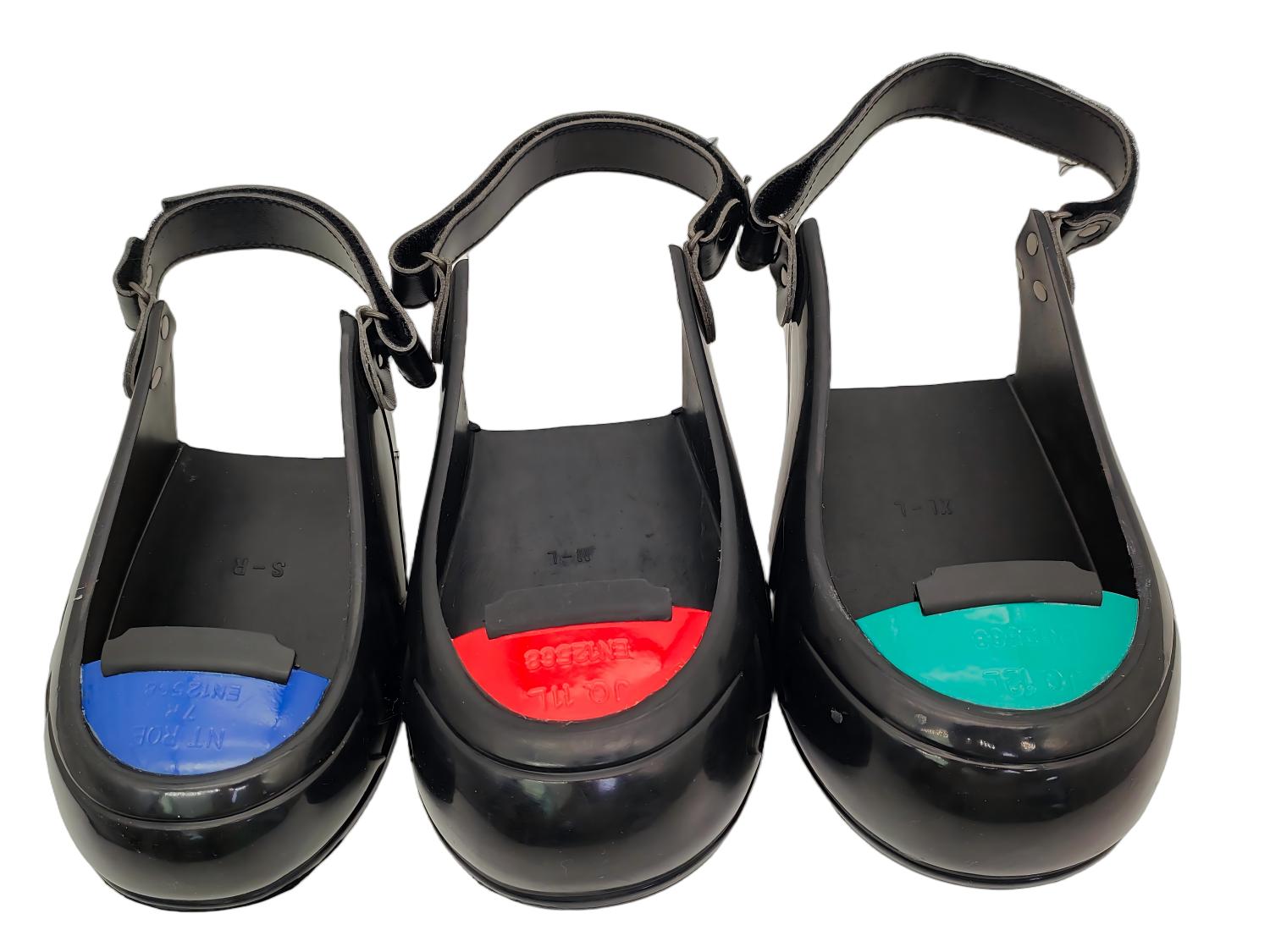
Safety overshoes, by contrast, are designed for temporary protection. They are worn over personal footwear and are primarily used by visitors who need access to controlled areas without changing shoes.
The distinction is not about protection quality alone, but about duration, responsibility, and practicality.
When Safety Shoes Are the Better Option
Safety shoes are generally recommended when:
-
Visitors perform hands-on work or manual operations
-
Site visits last several hours or multiple days
-
The visitor is effectively acting as a temporary worker
-
Site policy requires full PPE compliance for all personnel
In these cases, issuing certified safety footwear ensures consistent protection and clear responsibility.
When Safety Overshoes Are More Appropriate
Safety overshoes are often the preferred solution when:
-
Visits are short-term or guided
-
Visitors are not performing physical tasks
-
There is high visitor turnover
-
Facilities need fast and controlled PPE distribution
For many factories and warehouses, safety overshoes allow compliance without disrupting visitor flow or increasing administrative complexity.
Operational and Management Considerations
From a facility management perspective, safety overshoes offer several advantages:
-
No need to stock individual shoe sizes
-
Faster fitting and removal
-
Easier hygiene and storage management
-
Lower long-term cost for frequent visitor access
Safety shoes, while offering full protection, require size tracking, cleaning, replacement, and user accountability, which may not be practical for occasional visitors.
Risk Assessment and PPE Policy Alignment
European workplace safety regulations emphasize risk-based PPE selection. This means the chosen footwear must match the actual exposure level. For visitor pathways with controlled movement and limited hazard exposure, safety overshoes with toe protection and slip resistance are often considered sufficient.
Clear internal policies should define:
-
Who qualifies as a visitor
-
Which areas require overshoes versus full safety shoes
-
Duration limits for overshoe use
Transparent documentation helps during audits and inspections.
Making the Right Choice
There is no universal answer. The correct choice depends on site risk level, visit duration, and operational efficiency. Many facilities adopt a dual approach, using safety shoes for working personnel and safety overshoes for visitors.
For companies seeking a structured visitor PPE solution, safety overshoes with integrated toe caps are commonly used as part of controlled access systems, particularly in manufacturing and logistics environments.